Setting Up Your First Aquaponic System: A Complete Beginner’s Guide
Are you looking for a sustainable, eco-friendly way to grow fresh vegetables and raise healthy fish at the same time? Aquaponics is an innovative farming method that combines aquaculture (raising fish) and hydroponics (growing plants without soil), creating a self-sustaining system that maximizes production while minimizing waste.
In this expert guide, we’ll walk you through everything you need to know to set up your first aquaponic system—from selecting the right components to maintaining a healthy balance. Plus, we’ll show you how Atlas Aquaponic can provide expert support, high-quality equipment, and turnkey solutions to ensure your success.

What is Aquaponics and Why Should You Try It?
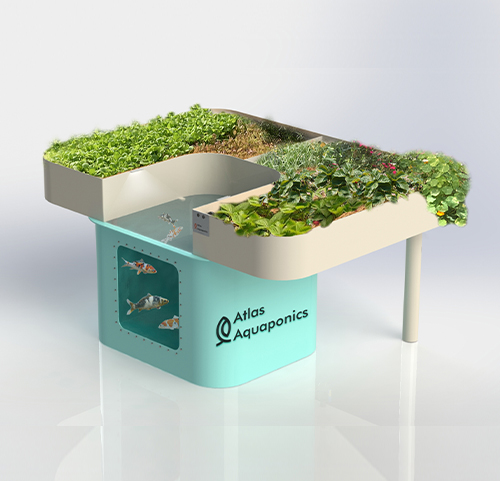
Aquaponics is a closed-loop symbiotic system where fish waste provides essential nutrients for plant growth, and in return, plants help filter and clean the water for the fish. This method of farming is sustainable, water-efficient, and highly productive making it ideal for home growers, small farms, and even commercial operations.
Key Benefits of Aquaponics:
- 1. Water Conservation: Uses up to 90% less water than traditional farming.
- 2. Organic & Chemical-Free: No need for synthetic fertilizers or pesticides.
- 3. Space-Efficient: Perfect for urban farming, greenhouses, or even indoor setups.
- 4. Higher Yield & Faster Growth: Plants grow 30-50% faster compared to soil farming.
- 5. Multiple Income Streams: Grow fresh vegetables while also raising fish for consumption or sale.
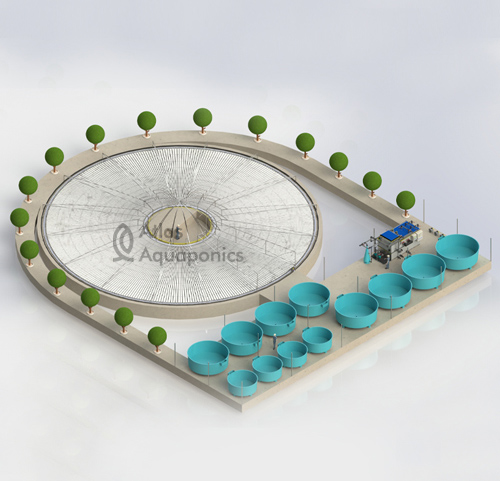
At Atlas Aquaponics, we specialize in designing custom aquaponic systems for home, commercial, and research applications, helping you maximize productivity while reducing costs.
Step-by-Step Guide to Setting Up Your First Aquaponic System
Step 1: Choose the Right System
The first step is selecting an aquaponic system that suits your space, budget, and goals. The three most common types include:
- Media Bed System – Best for beginners, using a gravel or clay grow bed for plant support.
- Nutrient Film Technique (NFT) – Ideal for growing leafy greens and herbs using a continuous water flow.
- Deep Water Culture (DWC) – Perfect for commercial setups, where plants float on rafts above water.
Not sure which system is right for you? Atlas Aquaponic offers free consultations to help you design and build the perfect aquaponic system based on your specific needs.
Step 2: Select the Best Fish and Plants
Choosing compatible fish and plants ensures a balanced, productive aquaponic system. Here are some of the best options:
Best Fish for Aquaponics:
Aquaponics is incredibly versatile, supporting a wide variety of vegetables, herbs, and even some fruits. Common crops include:
- Tilapia – Hardy, fast-growing, and great for beginners.
- Catfish – Tolerates different water conditions and grows quickly.
- Trout – Perfect for colder climates.
- Goldfish/Koi – Ideal for decorative or educational setups.
Best Plants for Aquaponics:
- Leafy Greens: Lettuce, basil, spinach, kale.
- Fruiting Plants: Tomatoes, peppers, strawberries.
- Herbs: Mint, cilantro, parsley.
Atlas Aquaponic provides customized fish and plant selection services, ensuring the best match for your climate, system size, and production goals.
Step 3: Set Up Your Equipment
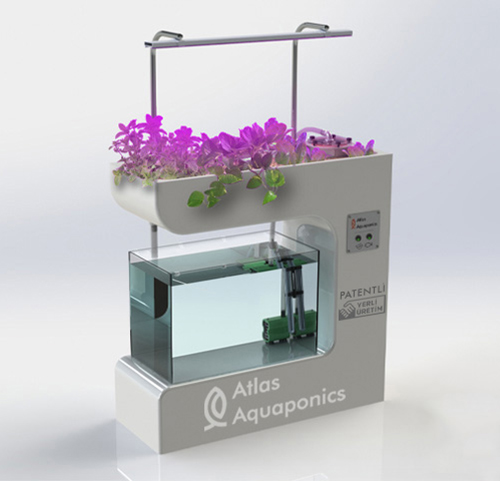
For a successful aquaponic system, you’ll need the following components:
- Fish Tank: A sturdy, well-aerated tank to house fish.
- Grow Beds: Where plants absorb nutrients from fish waste.
- Water Pump & Plumbing: Ensures proper circulation.
- Biofilter & Bacteria Colonies: Converts fish waste into plant nutrients.
- Aeration System: Keeps oxygen levels balanced for fish and plants.
Need help with setup? Atlas Aquaponic offers ready-to-install aquaponic kits, ensuring a hassle-free start for beginners and professionals alike.
Step 4: Cycle Your System & Maintain Balance
Before adding fish, your system needs to go through a process called "cycling," where beneficial bacteria establish themselves and convert ammonia (from fish waste) into nitrates for plants.
This process can take 2-6 weeks—but don’t worry! Atlas Aquaponics provides bacteria starter kits and professional guidance to speed up this process and ensure a smooth start.
Step 5: Monitor and Maintain for Long-Term Success
A thriving aquaponic system requires ongoing monitoring and maintenance. Key factors to check include:
- Water pH levels (should stay between 6.8-7.2).
- Nutrient balance for healthy plant growth.
- Fish feeding & water temperature monitoring.
- Pest and disease control (without harmful chemicals).
Atlas Aquaponics provides maintenance services and remote system monitoring to ensure your system stays in top shape!
Why Choose Atlas Aquaponics?
At Atlas Aquaponic, we don’t just sell products—we help you succeed in aquaponics! Whether you’re a beginner setting up a small home system or an investor looking for a large-scale commercial aquaponic farm, we provide:
- Custom Aquaponic Designs – Tailored solutions for home, educational, or commercial use.
- Turnkey Aquaponic Systems – Ready-to-use kits with expert installation.
- Premium Equipment & Supplies – High-quality fish tanks, grow beds, and water filtration systems.
- Expert Consultation & Support – One-on-one guidance from industry professionals.
- Training & Workshops – Hands-on learning for individuals and businesses.

