Community Aquaponics: Building Local Food Networks
The Power of Community Aquaponics
In today’s rapidly evolving world, food security, sustainability, and local resilience are more important than ever. Community aquaponics presents an innovative solution that merges aquaculture (fish farming) and hydroponics (soil-free plant cultivation) into a closed-loop, self-sustaining system. By adopting community-based aquaponic systems, neighborhoods can ensure consistent access to fresh, organic food while simultaneously fostering education, collaboration, and environmental responsibility.
At Atlas Aquaponic, we are committed to promoting sustainable food solutions through community aquaponics. Whether you’re part of a local cooperative, school, nonprofit, or urban farming initiative, this guide will provide you with all the information you need to develop and maintain a thriving community aquaponics system.

Why Community Aquaponics Matters
1. Enhances Local Food Security
One of the primary benefits of community aquaponics is its ability to create self-sufficient food networks. By producing fresh vegetables and protein-rich fish within a shared space, communities can significantly reduce dependence on large-scale agricultural systems that are vulnerable to supply chain disruptions, climate change, and price fluctuations.
2. Promotes Sustainable Agriculture
Traditional farming methods often deplete soil quality, require excessive water use, and rely on synthetic fertilizers and pesticides. Aquaponic systems, however, recycle nutrients and water efficiently, making them an environmentally friendly alternative that supports urban farming and community gardens.
3. Fosters Social Connections & Education
A community aquaponics project brings people together by encouraging teamwork, responsibility, and shared knowledge. Schools, universities, and community organizations can use these systems as educational tools to teach about biology, sustainability, and food production.
4. Economic Growth & Job Creation
Community aquaponics projects have the potential to generate income through the sale of fresh produce, fish, and educational workshops. Additionally, they can serve as hubs for job training programs, internships, and micro-business ventures.
5. Supports Urban Revitalization
By transforming vacant lots, rooftops, and abandoned spaces into thriving urban farms, community aquaponics contributes to the beautification and revitalization of neighborhoods.
Key Components of a Successful Community Aquaponics System
1. Choosing the Right System Design
The success of an aquaponic system depends on selecting the right design and setup based on available space, resources, and community goals. The most effective models for community gardens include:
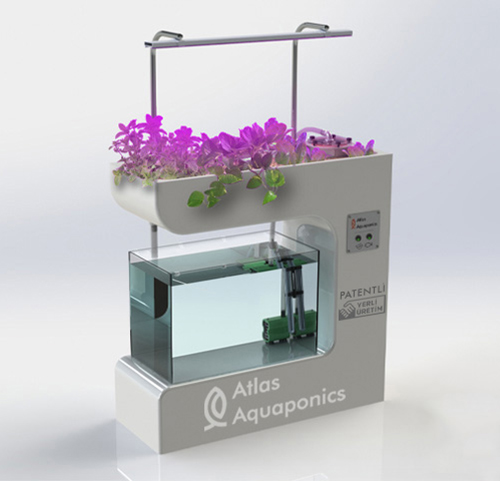
- Vertical Aquaponics: Space-saving solution that stacks grow beds, ideal for urban environments.
- Media-Based Systems: Uses gravel or clay pebbles to support plants and house beneficial bacteria.
- NFT (Nutrient Film Technique): Ideal for leafy greens, allowing water to circulate over plant roots.
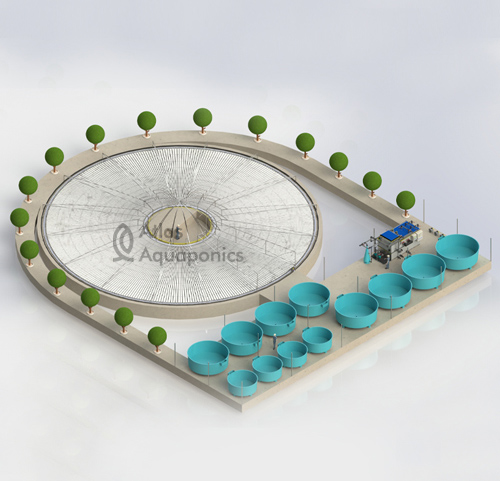
- Floating Raft Systems: Suitable for large-scale community projects, where plants float on rafts over nutrient-rich water.
2. Selecting the Best Location
Community aquaponics systems can be set up indoors, outdoors, on rooftops, in schools, or public spaces. When choosing a location, consider:
- Sunlight Exposure: At least 6-8 hours of sunlight is needed for optimal plant growth. Supplement with LED grow lights in low-light areas.
- Structural Stability: If setting up on rooftops or balconies, ensure the area can support the weight of water tanks and grow beds.
- Water Access & Drainage: The system requires a consistent water source and proper drainage to prevent stagnation.
- Accessibility: The location should be easy to reach for community members of all ages and abilities.
3. Selecting the Right Fish & Plants
The success of an aquaponics system depends on the right combination of fish and plants that thrive in symbiosis. Some ideal choices include:
Best Fish for Community Aquaponics:
- Tilapia: Hardy, fast-growing, and beginner-friendly.
- Catfish: Adapt well to different environments.
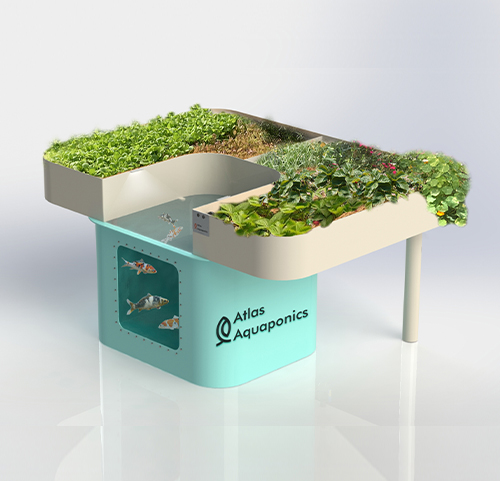
- Koi & Goldfish: Great for decorative or educational aquaponics setups.
- Trout: Suitable for cooler climates.
Best Plants for Community Gardens:
- Leafy Greens: Lettuce, kale, spinach, Swiss chard.
- Herbs: Basil, mint, cilantro, parsley.
- Fruiting Plants: Cherry tomatoes, peppers, strawberries.
- Microgreens: High-yield and nutrient-dense, ideal for quick harvests.
4. Water Management & Filtration
Maintaining clean and nutrient-rich water is crucial for system efficiency. Key factors to monitor include:
- pH Levels (6.8 – 7.2): Ensures nutrient absorption and fish health.
- Ammonia & Nitrate Levels: Proper bacterial filtration is essential for converting fish waste into plant nutrients.
- Oxygenation: Use air pumps and water circulation methods to keep fish healthy and prevent stagnation.
5. Community Engagement & Sustainability
A thriving community aquaponics project requires ongoing participation. Consider organizing:
- Educational workshops for schools and families.
- Volunteer days to involve local residents.
- Harvest-sharing programs to distribute food among the community.
- Partnerships with local businesses & restaurants to create a self-sustaining economy.
How to Start a Community Aquaponics Project
- Engage Stakeholders: Gather interest from schools, local government, businesses, and community groups.
- Secure Funding: Apply for grants, seek sponsorships, or organize crowdfunding campaigns.
- Choose the Right System: Select a design that fits the community’s needs and available space.
- Set Up & Train Volunteers: Educate members on system maintenance, water quality, and harvesting.
- Expand & Innovate: As the project grows, explore opportunities for market sales, educational initiatives, and partnerships.
Final Thoughts
Community aquaponics represents a future-forward approach to sustainable food production, environmental responsibility, and social cohesion. Whether implemented in urban gardens, schools, or rural cooperatives, these systems empower communities to take control of their food security and environmental impact.
At Atlas Aquaponic, we specialize in helping communities design and implement scalable aquaponic solutions tailored to local needs. If you’re interested in setting up a community aquaponics project, contact us today for expert guidance and customized system designs!

