
Starting a Commercial Aquaponics Farm: What You Need to Know
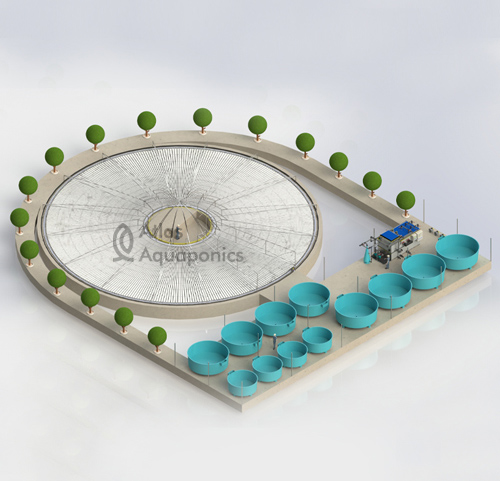
Aquaponics is revolutionizing modern agriculture by combining aquaculture (raising fish) with hydroponics (growing plants in water) to create a sustainable farming system. With increasing demand for organic, pesticide-free produce and sustainable protein sources, commercial aquaponics presents an excellent opportunity for entrepreneurs. However, launching a large-scale aquaponic farm requires careful planning, technical knowledge, and business acumen. In this guide, we’ll walk you through everything you need to know to set up and manage a successful commercial aquaponics farm.
Understanding Commercial Aquaponics
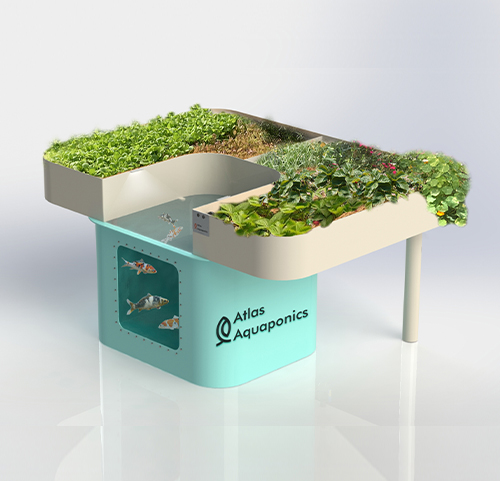
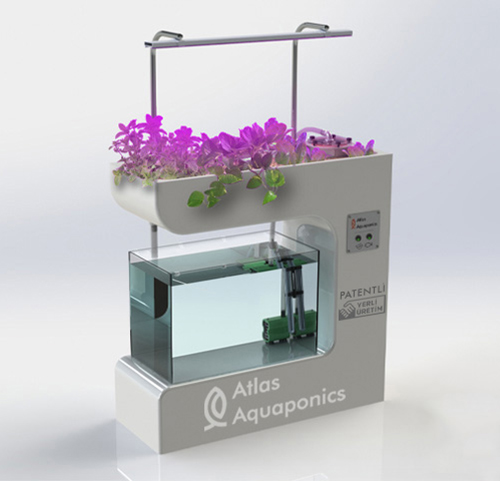
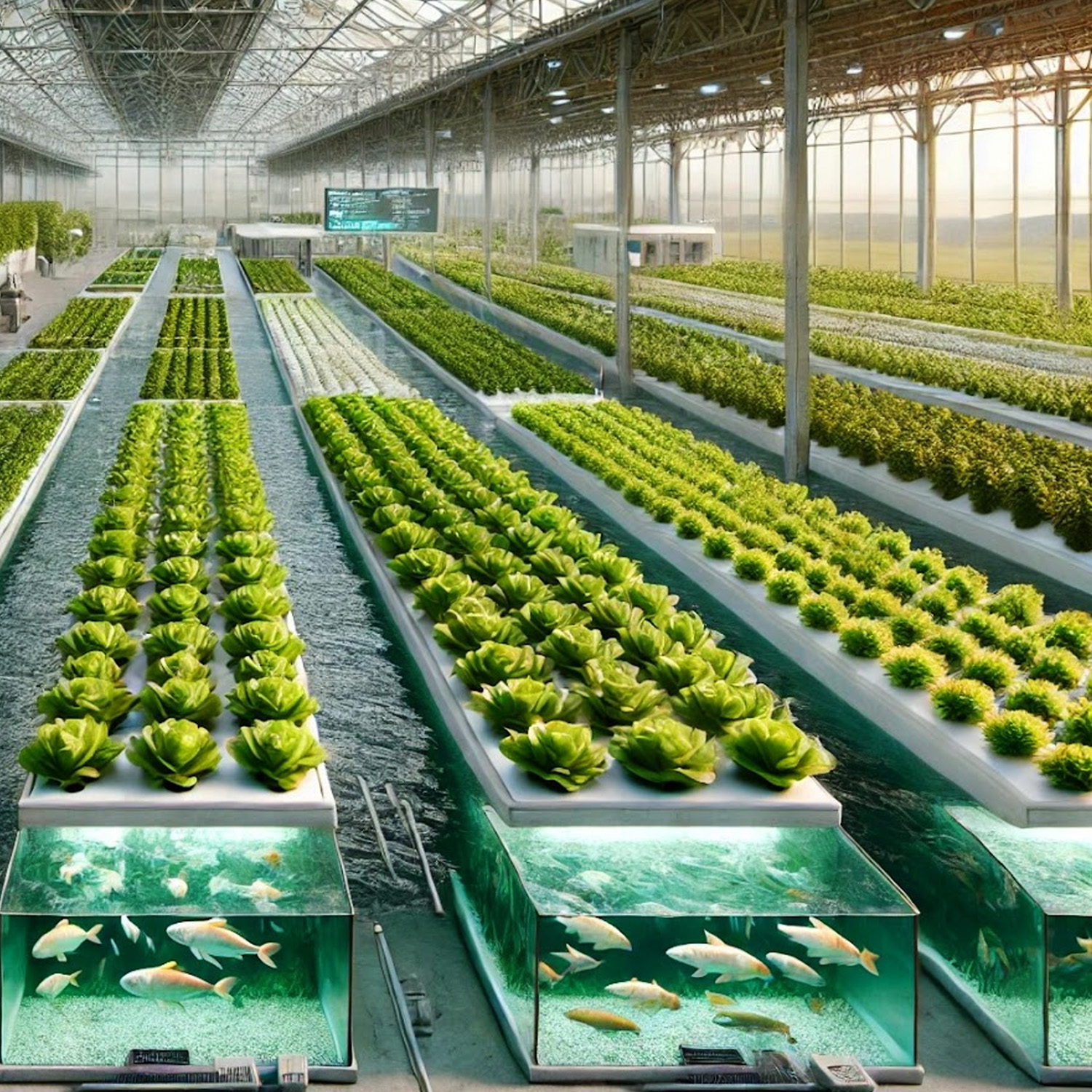
Unlike traditional farming, aquaponics is a closed-loop system where fish waste provides essential nutrients for plants, and plants, in turn, help filter and purify the water for the fish. This symbiotic relationship not only reduces water consumption but also eliminates the need for synthetic fertilizers.
When transitioning from hobbyist or small-scale aquaponics to commercial operations, it’s important to understand the complexities involved, including system design, species selection, water chemistry management, and marketing. A well-designed commercial aquaponics farm can produce high yields with minimal environmental impact, making it a viable and sustainable alternative to conventional agriculture.
Key Steps to Starting a Commercial Aquaponics Farm
1. Develop a Comprehensive Business Plan
Before investing time and resources, outline a detailed business plan. This should include:
- Market Research: Identify demand for aquaponic produce and fish in your target market. Investigate potential buyers, including restaurants, grocery stores, farmers’ markets, and direct-to-consumer sales.
- Initial Investment & Funding: Commercial aquaponics requires capital for land, equipment, infrastructure, and operational costs. Explore funding options like loans, grants, investors, or crowdfunding.
- Production Goals: Determine your expected output, considering factors such as available space, system type, and market needs.
- Pricing & Revenue Models: Establish pricing strategies based on competitor analysis and production costs to ensure profitability.
2. Choose the Right System Design
Commercial aquaponic farms utilize different system designs, each with unique benefits:
- Raft (Deep Water Culture) Systems: Best suited for high-yield crops like lettuce and herbs. Plants float on rafts, and their roots extend into nutrient-rich water.
- Media-Based Systems: Use grow beds filled with expanded clay pebbles or gravel to support fruiting plants such as tomatoes and peppers.
- Nutrient Film Technique (NFT): Thin streams of water supply nutrients to plant roots, ideal for small leafy greens.
- Hybrid Systems: Many commercial farms integrate multiple systems to maximize production efficiency and diversify crop offerings.
3. Select the Best Location and Infrastructure
Your farm’s location significantly impacts operational efficiency and profitability. Consider the following factors:
- Climate & Temperature Control: Greenhouses, controlled environments, or indoor farming solutions help maintain optimal temperatures year-round.
- Water Supply & Quality: Consistent access to clean water with proper pH levels and mineral balance is critical.
- Energy Efficiency: Renewable energy sources such as solar panels can reduce long-term operational costs.
- Zoning & Regulations: Research local laws and permits related to fish farming, agriculture, and food safety.
4. Build and Maintain an Efficient System
Setting up an aquaponics system requires technical expertise in:
- Tank and Grow Bed Construction: Ensure proper spacing, aeration, and water circulation.
- Filtration & Biofiltration: Maintain a robust biological filter to convert fish waste into usable nutrients.
- Monitoring and Automation: Smart sensors can track pH levels, oxygen content, and nutrient balance, allowing for real-time adjustments.
- Biosecurity Measures: Prevent fish diseases and plant pests through strict hygiene protocols and natural pest control methods.
5. Select Profitable Crops and Fish
Your choice of crops and fish should align with market demand, climate conditions, and system capabilities:
- Fish Choices:
- Tilapia: Hardy, fast-growing, and highly marketable.
- Catfish: Tolerant to varying water conditions and popular in many regions.
- Trout: Requires cooler temperatures but yields high-value products.
- Koi or Ornamental Fish: Suitable for niche markets with premium pricing.
- Crop Choices:
- Leafy greens: Lettuce, kale, arugula, and spinach are high-yield, fast-growing options.
- Herbs: Basil, mint, cilantro, and parsley thrive in aquaponic systems.
- Fruiting plants: Tomatoes, peppers, strawberries, and cucumbers can be profitable but require more space and support.
6. Optimize Costs and Sustainability
To maintain profitability while ensuring sustainability, implement the following:
- Energy Efficiency: Use LED grow lights, solar panels, and insulated greenhouses to cut costs.
- Water Recycling: Minimize waste by utilizing advanced filtration and rainwater collection systems.
- Waste Management: Repurpose fish waste into organic fertilizers or explore additional revenue streams through composting.
7. Develop a Strong Marketing & Sales Strategy
Having a solid marketing strategy is key to selling your products:
- Branding & Online Presence: Establish a website and social media profiles to connect with potential buyers.
- Local Partnerships: Collaborate with restaurants, grocery stores, and farmer’s markets to build consistent sales channels.
- Direct-to-Consumer Sales: Consider farm-to-table models, subscription services, or online sales platforms.
- Certification & Labeling: Organic and sustainable certifications can increase credibility and attract environmentally conscious consumers.
Common Challenges and How to Overcome Them
Starting a commercial aquaponics farm comes with challenges, but being prepared can set you up for success:
- High Initial Costs: Seek grants, partnerships, and cost-sharing options to offset startup expenses.
- Technical Learning Curve: Invest in training programs, industry mentorships, and automation tools to streamline operations.
- Market Penetration: Differentiate your farm by emphasizing sustainability, freshness, and organic certification.
- Regulatory Compliance: Stay up to date with local, state, and national agricultural regulations to avoid legal issues.
Final Thoughts
Launching a commercial aquaponics farm is a rewarding venture that combines sustainability with profitability. By carefully planning your business model, optimizing system efficiency, and leveraging smart marketing strategies, you can create a thriving aquaponic farming business. At Atlas Aquaponics, we offer expert consultation, high-quality system components, and personalized support to help you succeed in large-scale aquaponics. Contact us today to turn your vision into reality!

