Essential Equipment for Aquaponics
Aquaponics is an innovative and highly sustainable method of food production that seamlessly combines aquaculture (raising fish) with hydroponics (growing plants without soil). This closed-loop ecosystem maximizes resource efficiency by allowing fish and plants to support each other. However, for your aquaponics system to thrive, having the right equipment is essential. Whether you’re setting up a small home system or managing a large-scale commercial farm, this comprehensive guide will help you select the right tools and components for a productive and balanced system.

What Equipment Do You Need for Aquaponics?
To ensure an efficient and well-functioning aquaponic system, you need the following equipment:
1. Fish Tank: The Heart of the System
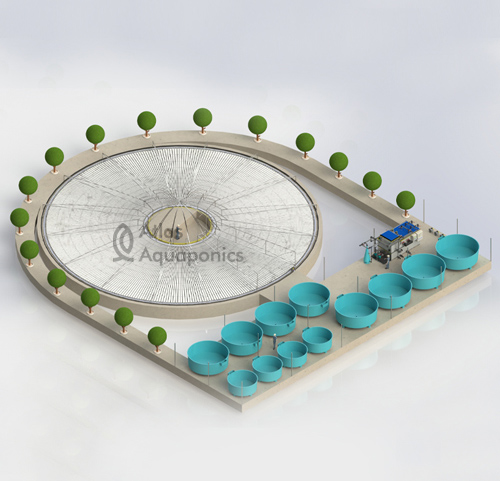
Your fish tank is the backbone of your aquaponics system. It should be sturdy, non-toxic, and appropriately sized for your intended fish population. Here are some key factors to consider:
- Size & Material: A minimum of 100 gallons is recommended for stability, but larger systems (300+ gallons) provide better water chemistry control. Opt for food-grade plastic, fiberglass, or durable glass tanks.
- Shape: Round tanks with conical bottoms promote better water circulation and waste removal.
- Aeration & Filtration Compatibility: Ensure your tank can support aeration devices and mechanical filtration for optimal water quality.
2. Grow Beds: Your Plant’s Foundation
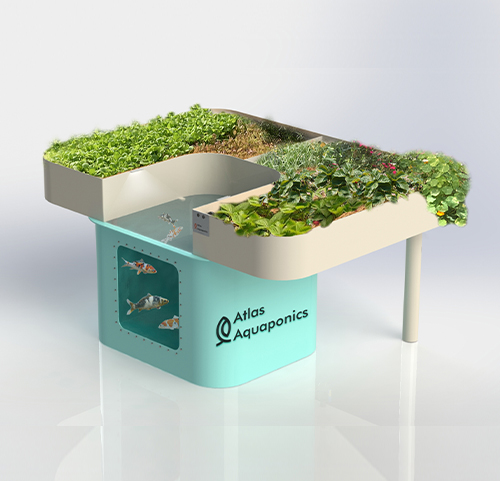
The grow bed is where your plants take root and absorb nutrients from fish waste. Different types of grow beds suit various system designs:
- Media-Based Grow Beds: Use expanded clay pellets, gravel, or lava rock for robust root support and microbial colonization.
- Deep Water Culture (DWC) Beds: Plants float on rafts in nutrient-rich water, ideal for leafy greens.
- Nutrient Film Technique (NFT): A thin layer of nutrient water flows through channels, great for herbs and smaller plants.
3. Water Pump: Keeping the System Flowing
A high-quality water pump is crucial for moving water between your fish tank and grow beds. Consider the following when choosing one:
- Flow Rate: Aim for a pump that cycles the entire water volume at least once per hour.
- Energy Efficiency: Opt for a DC or low-wattage AC pump to reduce energy costs.
- Durability & Maintenance: Look for corrosion-resistant models that are easy to clean and maintain.
4. Air Pump and Aeration System
Oxygen is essential for both fish and beneficial bacteria. A strong aeration system includes:
- Air Pump: Choose a pump with sufficient output (measured in liters per minute) based on tank volume.
- Air Stones or Diffusers: These help distribute oxygen evenly, preventing stagnation and supporting plant roots.
- Battery Backup: Ensures aeration continues during power outages.
5. Mechanical and Biofilters: Keeping Water Clean
Filtration maintains water clarity and nutrient balance. Your system needs:
- Mechanical Filters: Remove solid waste via swirl filters or radial flow filters.
- Biofilters: Provide surface area for beneficial bacteria to convert harmful ammonia into nitrates for plants.
- Mineralization Tanks: Break down solid waste into additional plant nutrients.
6. High-Quality Plumbing and Piping
PVC pipes, hoses, and fittings should be durable, non-toxic, and properly sized to prevent blockages or leaks. Key considerations include:
- Pipe Diameter: Ensure proper water flow without restricting circulation.
- UV Resistance: Outdoor systems should use UV-resistant materials.
- Automated Valves: Consider ball valves and float switches to regulate water flow efficiently.
7. Selecting the Right Fish Species
Your choice of fish affects the system’s success. Popular options include:
- Tilapia: Hardy, fast-growing, and tolerant of varied water conditions.
- Trout: Great for cooler climates but require higher dissolved oxygen levels.
- Catfish & Koi: Excellent for large tanks, providing robust nutrient output.
- Goldfish: Ideal for beginners and smaller systems.
8. Choosing the Right Grow Media
For media-based systems, your grow media plays a significant role in plant health:
- Expanded Clay Pellets (Hydroton): Lightweight, pH-neutral, and great for aeration.
- Gravel: More affordable but can be heavy and may alter pH.
- Lava Rock: Offers excellent bacterial surface area but needs pre-washing.
9. Water Testing Kit: Monitor System Health
Frequent water testing ensures optimal conditions for both fish and plants. Key parameters to check:
- pH Levels: Ideal range is 6.5-7.0.
- Ammonia, Nitrites, and Nitrates:I Regular monitoring prevents toxicity.
- Dissolved Oxygen: IShould be above 5 ppm for healthy fish.
10. Artificial Lighting for Indoor Systems
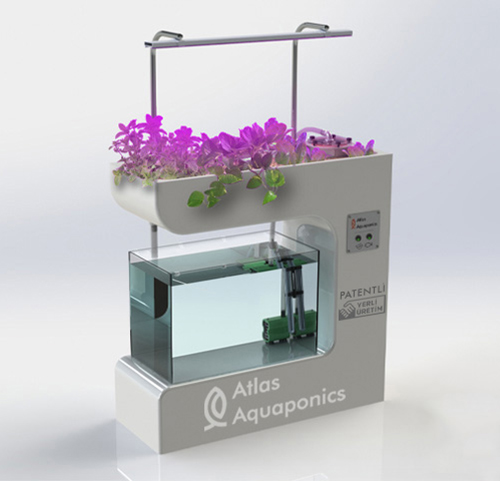
For systems with limited sunlight, proper lighting is essential:
- Full-Spectrum LED Grow Lights: Mimic natural sunlight, promoting plant growth.
- Timers & Light Cycles: Automate light exposure for consistent plant development.
- Energy Efficiency: Choose LED over fluorescent to save on power costs.
11. Temperature Control: Heaters & Thermometers
Temperature consistency is crucial, especially for temperature-sensitive fish:
- Aquarium Heaters: Adjustable models help maintain stable temperatures.
- Digital Thermometers: Monitor water temperature fluctuations in real time.
- Cooling Fans or Chillers: Needed for warm climates to prevent overheating.
12. Backup Power Supply: Prevent System Failures
Power outages can devastate an aquaponic system. Consider:
- Battery-Powered Air Pumps: Provide emergency aeration.
- Solar-Powered Options: Sustainable energy source for off-grid systems.
- Uninterruptible Power Supply (UPS): Keeps essential components running temporarily.
13. High-Quality Fish Feed and Nutrient Supplements
A balanced diet ensures healthy fish and nutrient-rich water. Additional plant supplements may include:
- Iron Chelates: Prevents yellowing leaves (chlorosis).
- Potassium & Calcium: Supports fruiting and flowering plants.
- Organic Fish Feed: Minimizes water pollution and enhances growth.
14. pH Adjusters: Maintaining Water Balance
To fine-tune pH levels, use natural adjusters:
- Potassium Hydroxide & Calcium Hydroxide: Raise pH gradually.
- Phosphoric Acid: Safely lowers pH if needed.
15. Automatic Siphons & Valves for Water Flow Regulation
Automated water management improves system efficiency:
- Bell Siphons: Regulate flood-and-drain cycles in media beds.
- Float Valves: Maintain consistent water levels.
- Solenoid Valves: Enable automated irrigation.

