The Nitrogen Cycle in Aquaponics
At Atlas Aquaponic, we are dedicated to revolutionizing sustainable farming by harnessing the power of aquaponics. One of the fundamental processes that make this method so effective is the nitrogen cycle a natural transformation that turns fish waste into plant nutrition. Understanding this cycle isn’t just a technical necessity; it’s the key to building a thriving, balanced ecosystem that mimics nature’s ingenuity.
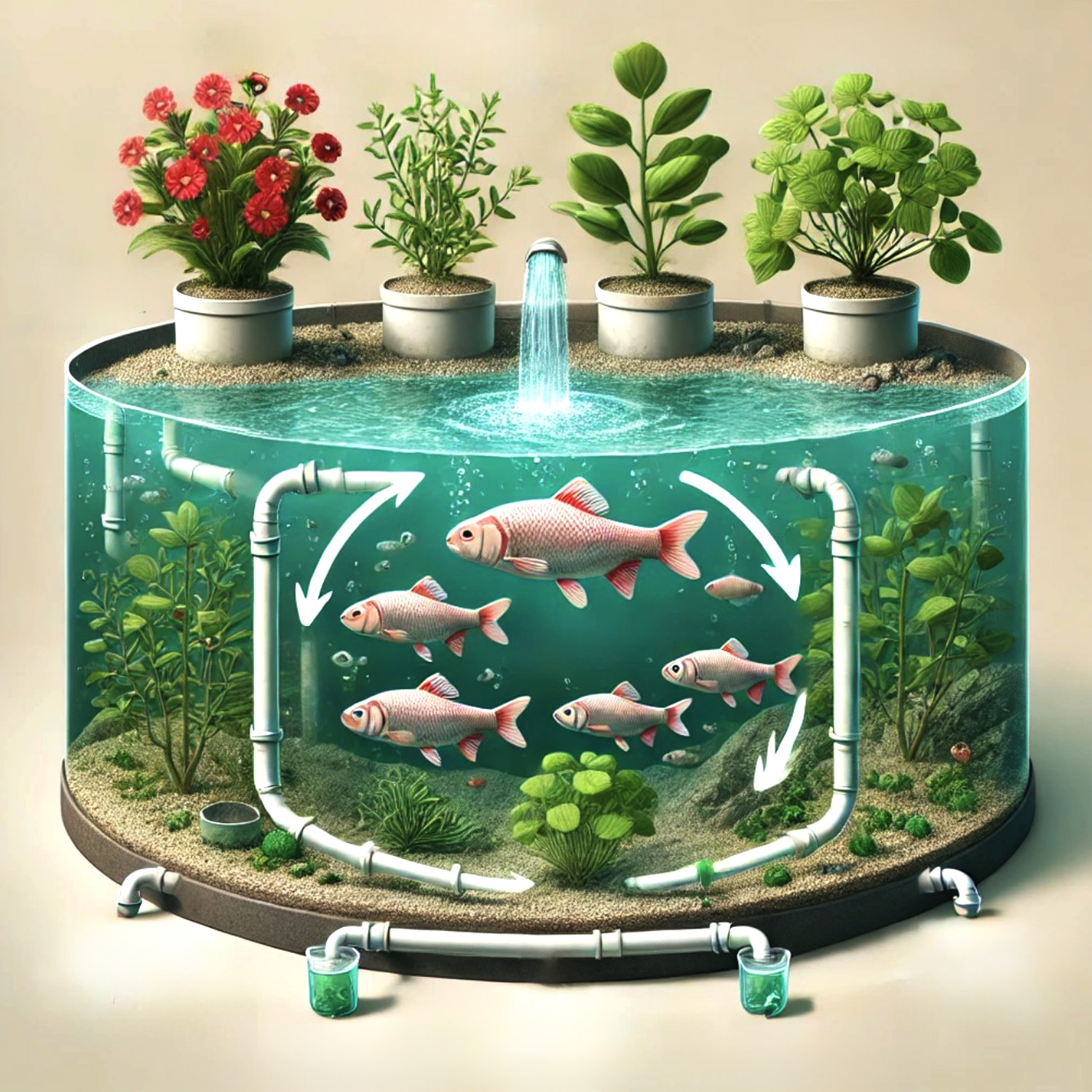
What is the Nitrogen Cycle?
The nitrogen cycle is a vital biological process that breaks down nitrogenous waste, primarily ammonia, into plant-available nutrients. This process is driven by beneficial bacteria that facilitate the transformation, making it crucial for the health of both fish and plants in an aquaponic system. The cycle unfolds in three key stages:
- Ammonia Production – Fish excrete waste in the form of ammonia (NH₃) through their gills and bodily waste. If left unchecked, ammonia can reach toxic levels, endangering the fish and disrupting system balance.
- Nitrite Formation (Nitrosation) – Specific beneficial bacteria, mainly Nitrosomonas, consume ammonia and convert it into nitrites (NO₂⁻). While nitrites are less harmful than ammonia, they are still dangerous to fish in high concentrations.
- Nitrate Formation (Nitrification) – Another bacterial group, Nitrobacter, steps in to convert nitrites into nitrates (NO₃⁻), which are far less toxic and serve as essential nutrients for plant growth.
Why the Nitrogen Cycle Matters at Atlas Aquaponic
At Atlas Aquaponic, we emphasize a deep understanding of the nitrogen cycle to ensure optimized system performance. Our expertise allows us to fine-tune bacterial colonies, water chemistry, and biofiltration techniques to create a stable, highly productive environment. A properly balanced nitrogen cycle guarantees: levels exceed 0.5 ppm.
- Healthy fish by eliminating toxic ammonia and nitrites.
- Thriving plants that receive a consistent, organic nutrient supply.
- A self-sustaining ecosystem that mirrors natural aquatic environments, reducing the need for synthetic fertilizers and water changes.
Expert Tips for Establishing and Maintaining the Nitrogen Cycle
Building a successful nitrogen cycle requires patience, precision, and continuous monitoring. Here’s how we at Atlas Aquaponic ensure long-term stability in our systems:
- Fishless Cycling for Precision: Before adding fish, we cycle the system using controlled ammonia dosing to establish a robust bacterial colony. This method prevents fish stress and jumpstarts the biofilter.
- Advanced Water Parameter Monitoring: Using high-precision testing kits, we track ammonia, nitrite, and nitrate levels in real-time to preemptively adjust conditions.
- Specialized Biofiltration Methods: Our grow beds and biofilters are carefully designed with high-surface-area media (such as expanded clay and bio balls) to support dense bacterial populations.
- Precision Feeding Strategies: Overfeeding leads to ammonia spikes. We employ targeted feeding plans to match fish metabolism rates and minimize waste.
- Optimized Oxygenation: Beneficial bacteria require oxygen to thrive. We use advanced aeration techniques to enhance bacterial efficiency and prevent anaerobic zones.

