
AR

TR

EN

AR

TR

EN

Environmental Impact of Aquaponics

Environmental Impact of Aquaponics


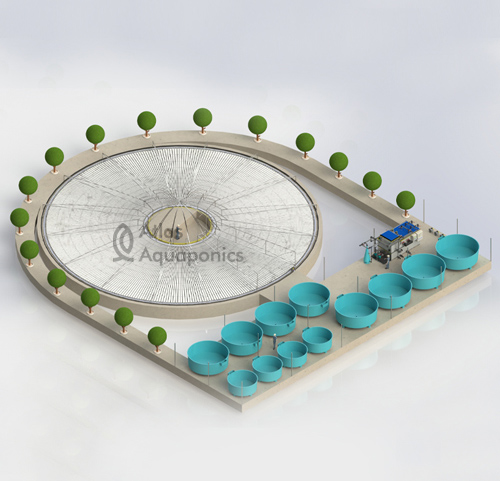
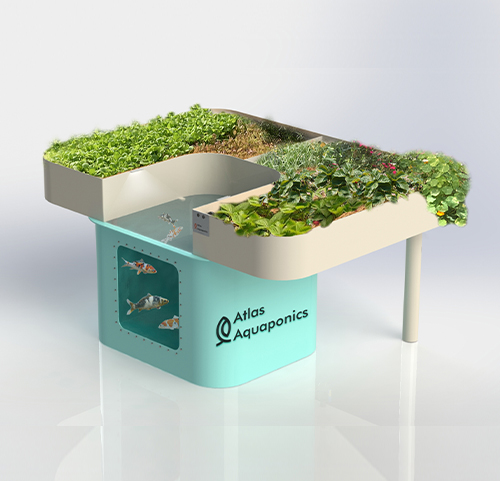
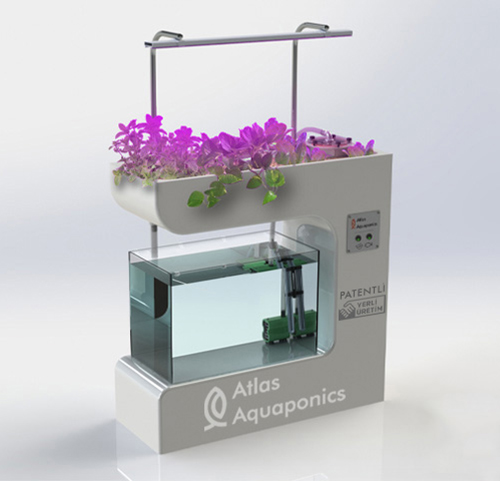
Aquaponics is a sustainable farming system that integrates aquaculture (raising aquatic animals) with hydroponics (cultivating plants in water). This innovative method has a significantly positive environmental impact, making it a valuable solution in the face of climate change and global food security challenges. Let’s explore how aquaponics contributes to environmental conservation.

Water Conservation

Unlike traditional agriculture, aquaponics uses up to 90% less water. The system recycles water between fish tanks and plant beds, minimizing waste. Evaporation is the primary source of water loss, and replenishing this loss is far less demanding compared to conventional farming. By using a fraction of the water required in soil-based farming, aquaponics helps conserve one of our planet’s most vital resources. Öne Çıkan Avantajlar: Su sıkıntısı yaşayan bölgeler için ideal Daha az su israfı

Reduced Need for Chemical Inputs

Aquaponics eliminates the need for synthetic fertilizers and pesticides. Fish waste serves as a natural nutrient source for plants, creating a closed-loop system. Plants absorb these nutrients, purifying the water before it circulates back to the fish. This natural cycle reduces the need for harmful chemicals, protecting aquatic ecosystems from contamination and ensuring healthier food production.

Decreased Carbon Footprint

By integrating local food production, aquaponics reduces the carbon emissions associated with transporting produce over long distances. Additionally, the method can operate efficiently in urban areas, cutting down the energy required for large-scale farming operations. The potential to establish aquaponics systems in urban environments supports local food networks and reduces reliance on fossil fuels.

Preservation of Soil Health

Traditional farming often leads to soil degradation through overuse and chemical applications. In aquaponics, soil is not required, eliminating issues like erosion and nutrient depletion. This method preserves natural landscapes, prevents deforestation, and maintains ecosystems. It offers a sustainable alternative to conventional agricultural practices that often harm the environment.

Why Choose Atlas Aquaponics?

At Atlas Aquaponics, we are dedicated to promoting sustainable farming solutions that benefit both the environment and the economy. Our systems are designed with efficiency, affordability, and scalability in mind. Whether you are a beginner or an experienced farmer, we provide expert guidance, quality equipment, and ongoing support to help you succeed.

Conclusion

Aquaponics is more than just an innovative farming method—it is a powerful tool for fostering environmental sustainability and economic resilience. By conserving water, eliminating harmful chemicals, and reducing carbon footprints, aquaponics offers a greener way to produce food. Economically, it provides high yields, lower operational costs, and a pathway to financial independence for individuals and communities alike.

At Atlas Aquaponic, we are passionate about making aquaponics accessible to everyone. Our expertise and commitment to quality ensure that you can implement this transformative farming system with ease. Whether you are looking to grow food at home, start a business, or contribute to your community, Atlas Aquaponic is here to support you every step of the way.

Join us in building a sustainable future. Together, with aquaponics, we can create a world where fresh, healthy food is abundant, affordable, and environmentally responsible. Atlas Aquaponic is proud to lead the way toward a greener tomorrow.

Read more about aquaponic in our blog :